
Automotive / The moving image
The NextFrame.
A Bentley, a red wheel, an open cabin. What turns those images into a film is the order in which we meet them.
The red wheel is an easy place for the eye to land. Black bodywork surrounds it; the color has room to register. In a single frame, that contrast can hold our attention. In car videography, the next cut decides where that attention goes.
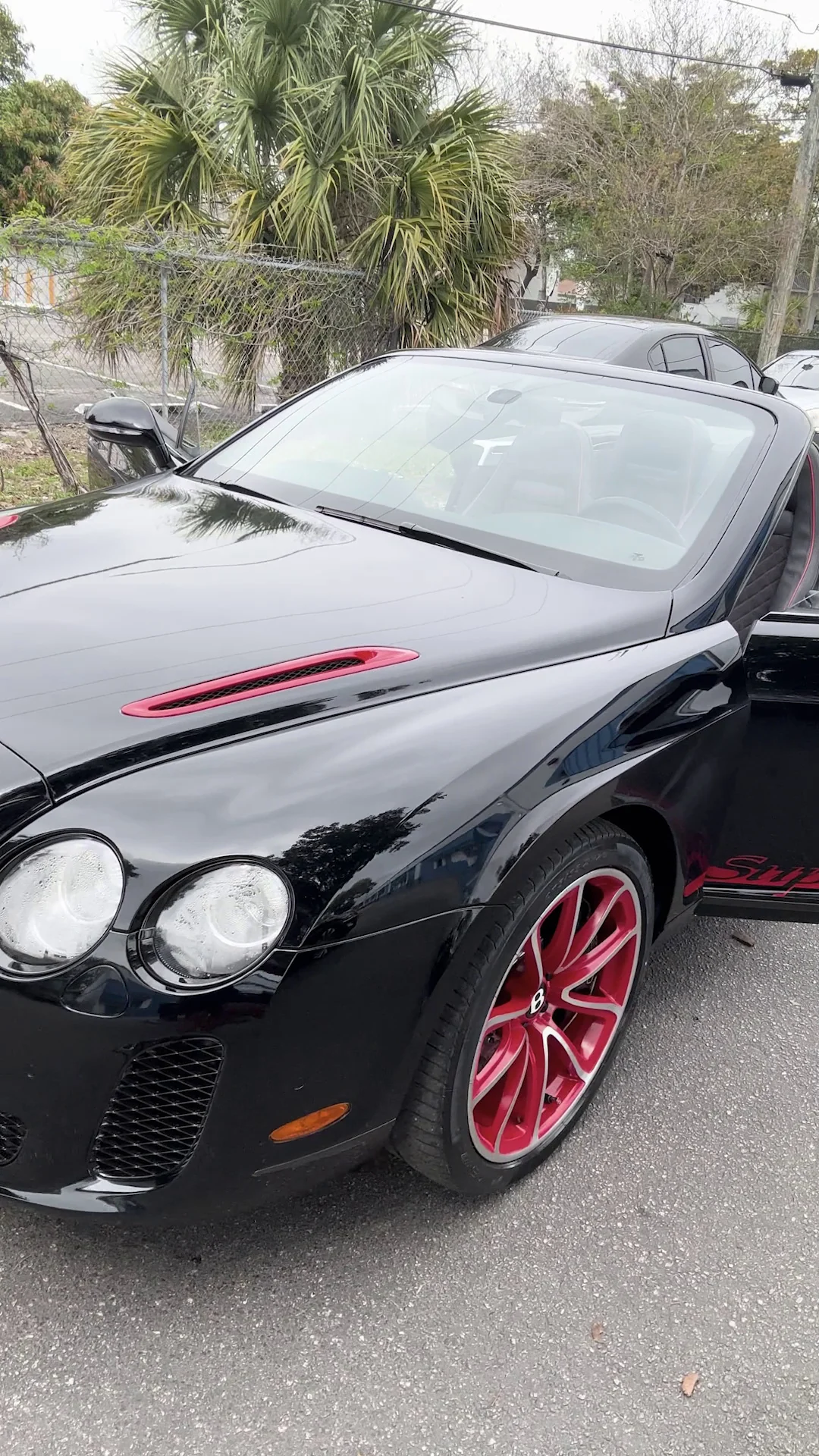
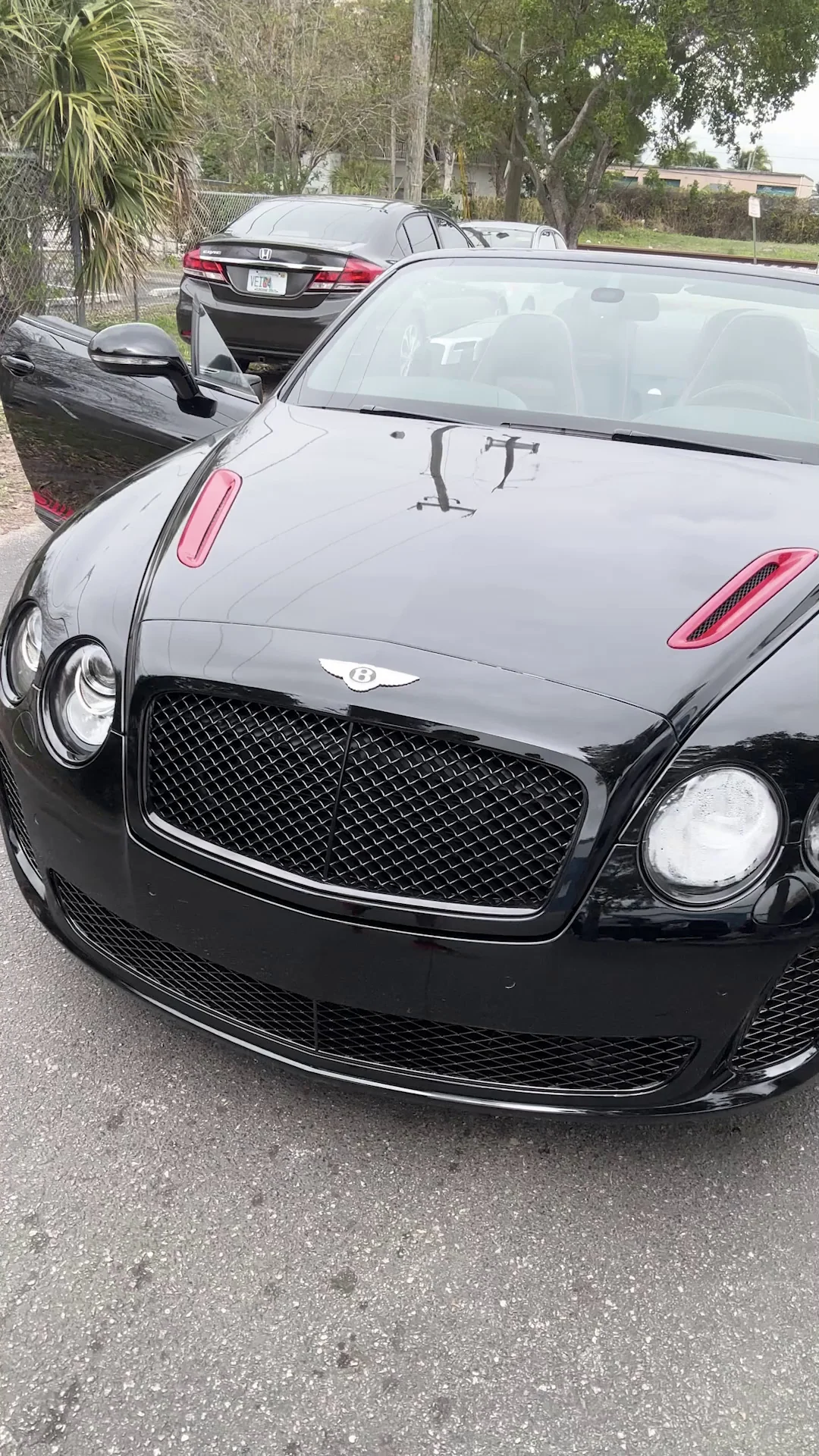
This footage from my Bentley archive offers a compact set of visual relationships: the car from the front and at three-quarter angles, red accents across its exterior, an open cabin. I appear in the footage, too, in a cap and green sunglasses. Each view changes the scale or character of what we are looking at.
Every cut inherits the image before it. The interesting question is what the next frame helps us see.
01 / Form
Give the detail an address.
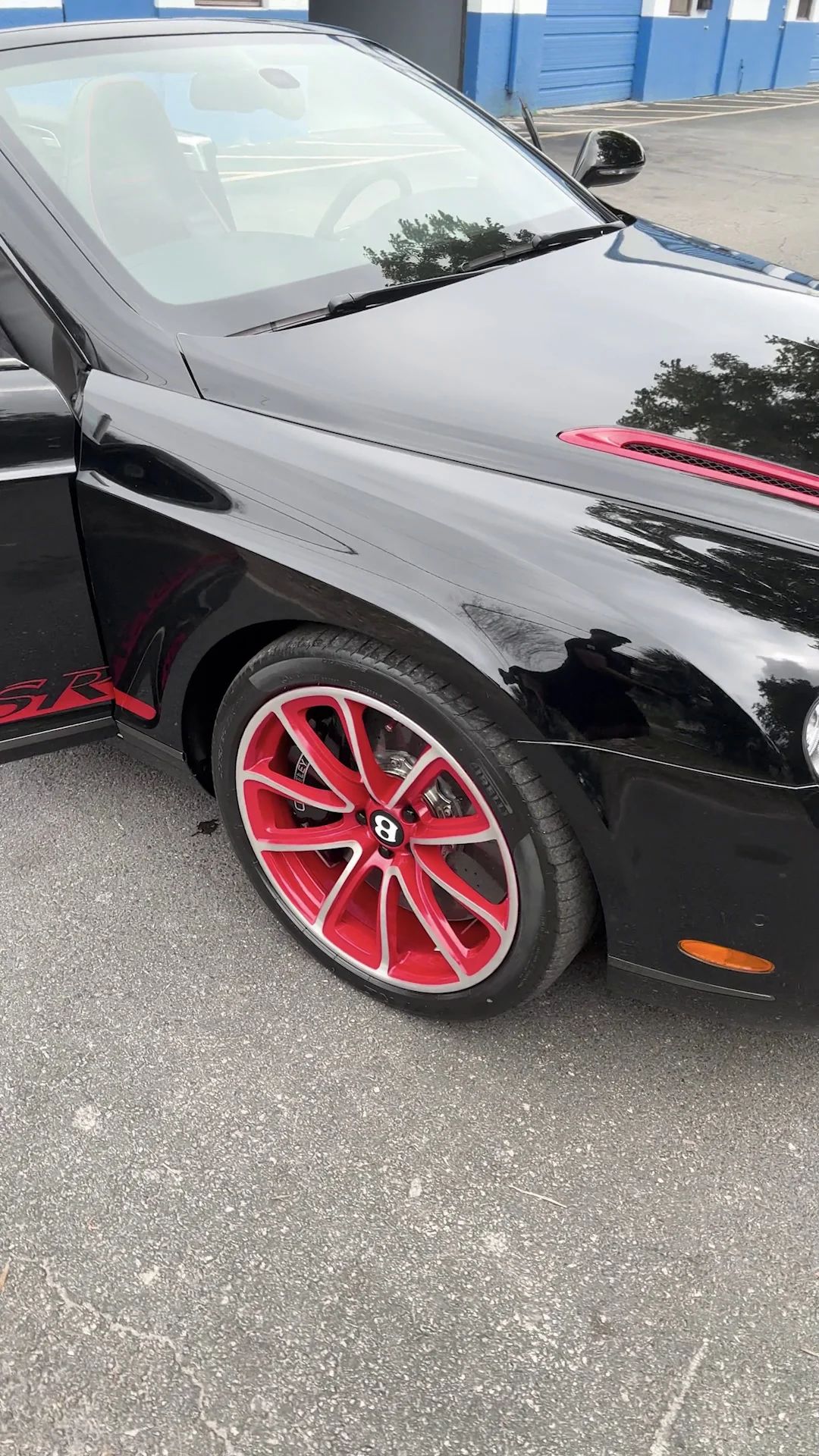
A close view of a wheel has geometry, surface and a strong boundary. Its position within a film changes what it communicates.
Placed after an overall view, it invites a closer inspection of something we have already encountered. Placed first, it withholds the larger subject for a moment. Both approaches create an expectation; the next image needs to respond to it.
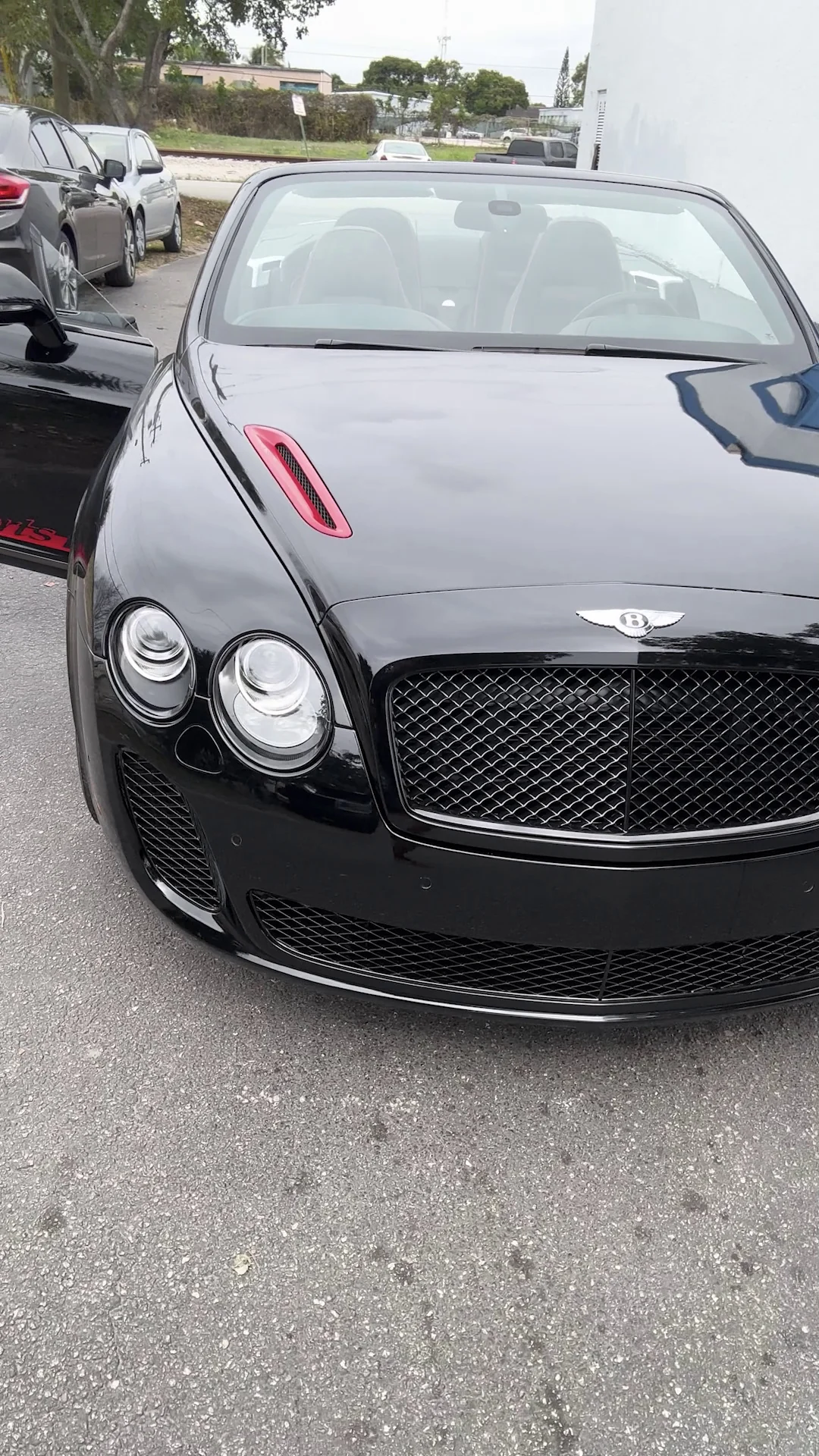
The frontal and three-quarter views give the smaller details an address. They establish how the wheel, bodywork and open cabin belong together. Return to a wider view afterward and it can feel different: a detail we might have missed is now part of how we read the car.
THE SUBJECT
THE RELATIONSHIP
02 / Colour
Let red carry us inside.
The red has several places to go. It appears in the wheels and hood accents, then continues through inserts and piping inside the car. That recurrence offers a connection between an exterior image and an interior one.
The bodywork presents broad surfaces; the upholstery introduces stitching and smaller repeated shapes. Following a color between them lets the sequence change scale while retaining something familiar.
Try putting two candidate frames beside each other before adding a transition. Look for a relationship already present: a color, a curve, the direction of a line. The cut can draw attention to something the material actually contains.
ONE COLOUR. A CHANGE OF DISTANCE.
OUTSIDE
INSIDE
03 / Distance
Move from looking to imagining.
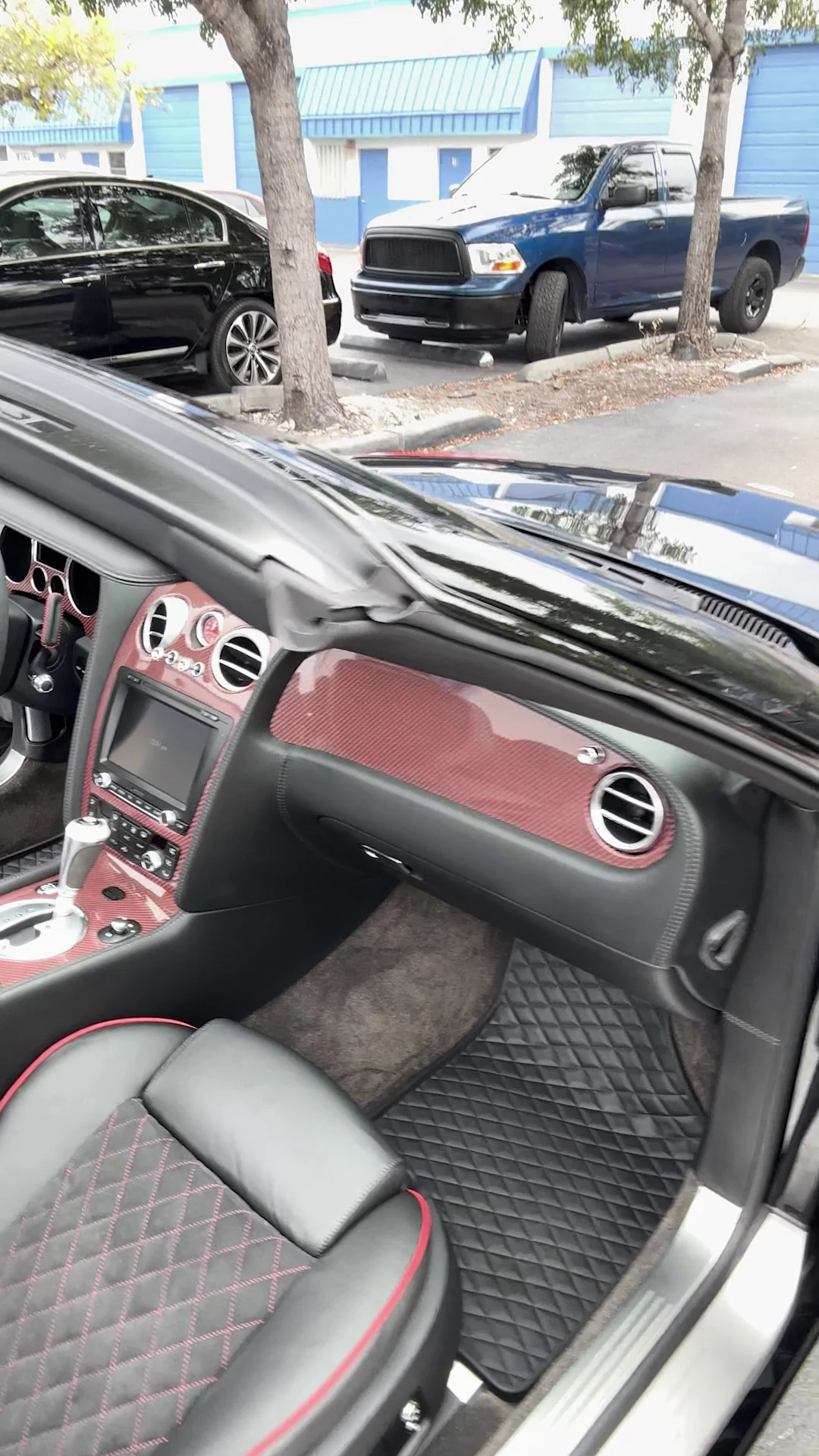
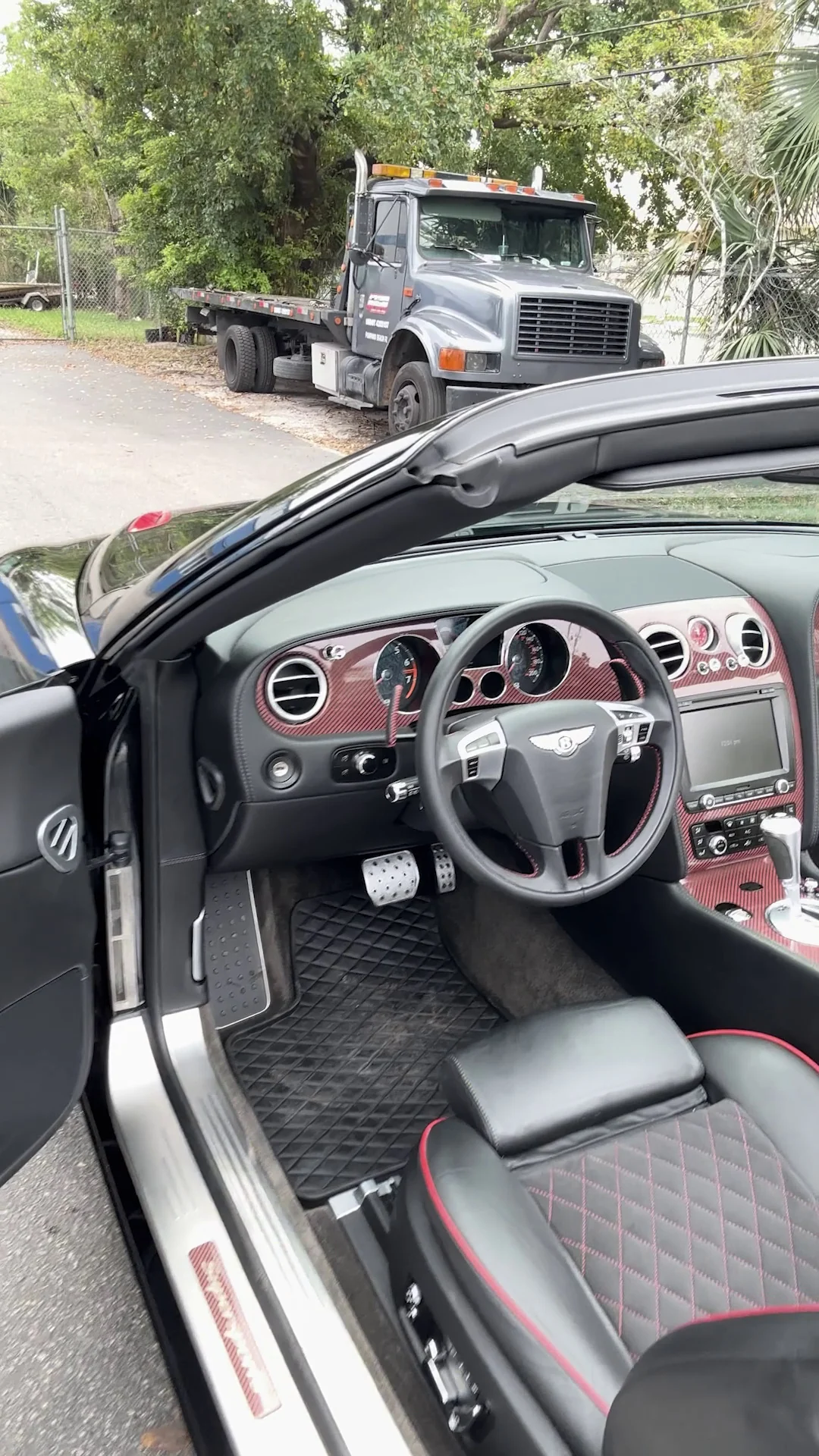
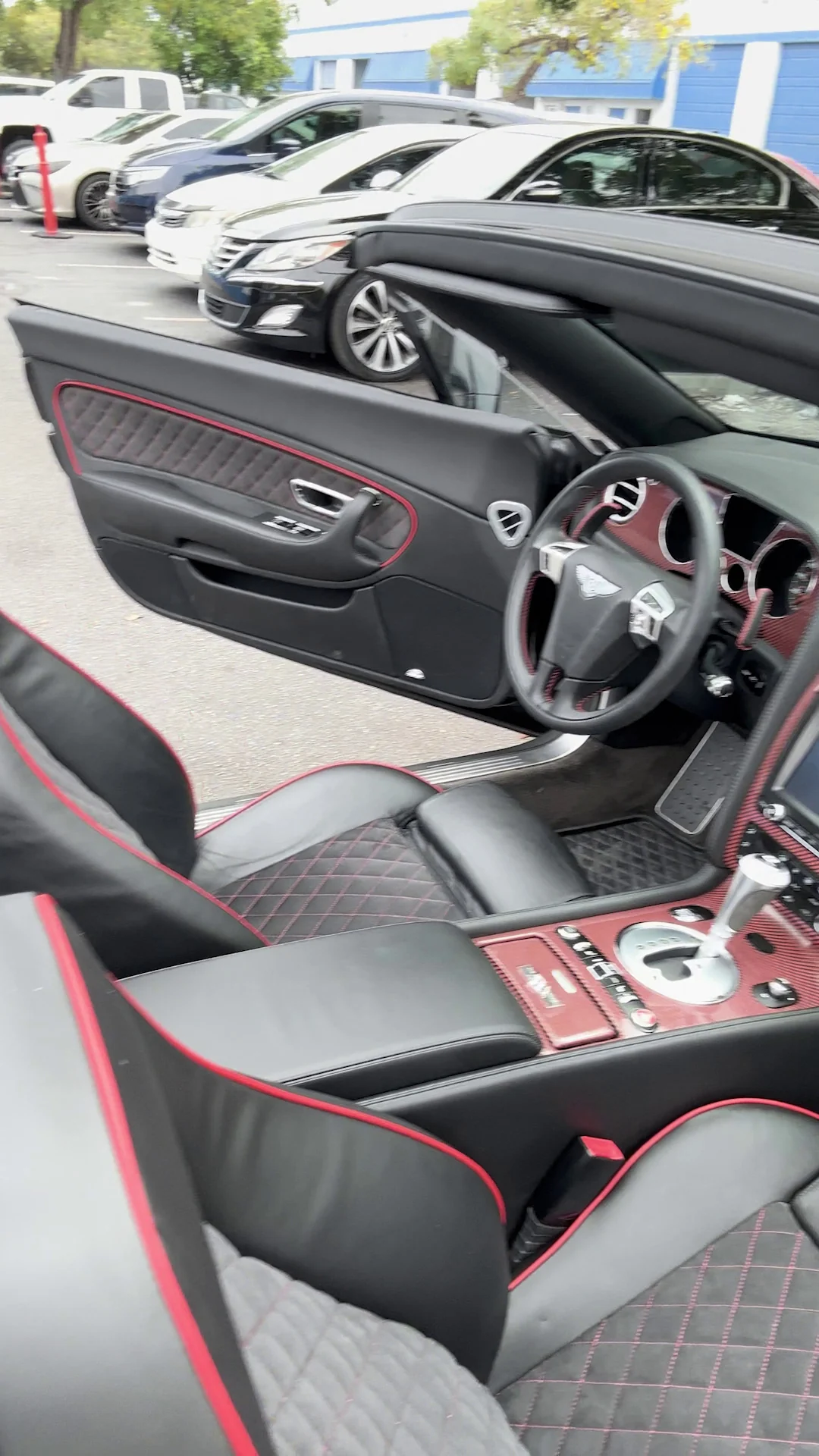
With the top down, the cabin is part of the car’s outward appearance. A closer view makes it a space we can begin to imagine occupying.
Diamond stitching, red inserts and the edges of the seats offer different information from the exterior. These are details associated with proximity: things a person would see beside them or reach toward. Giving them room changes the viewer’s distance from the subject.
That shift gives a short automotive film some breathing space. A wider view helps us understand the shape; a closer image gives us something particular to examine. The useful duration of either depends on what we want someone to notice. A detailed image needs enough time for its important feature to become legible.
04 / Presence
Let the maker enter the picture.
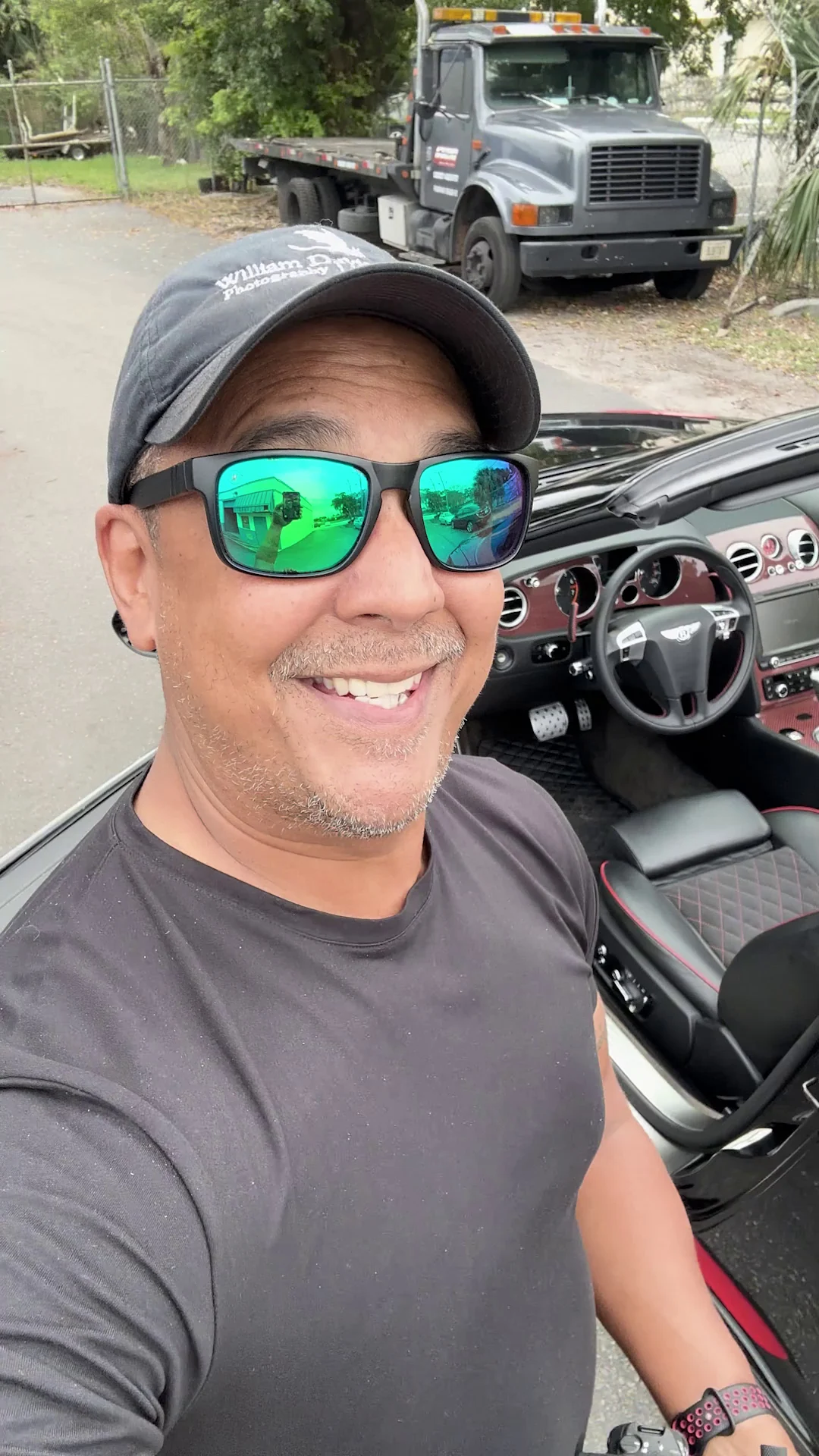
Then there is the person with the camera. My cap and green sunglasses bring another color and another kind of attention into this black-and-red collection.
Including the filmmaker gives the work a human point of reference. A viewer can connect the automotive images with the person making them. A brief appearance cannot explain an entire production, but it can make the encounter more personal.
Where that image belongs depends on the purpose of the edit. Introduced early, it can feel like an invitation from the filmmaker. Introduced later, it offers a change of perspective after the car has been established. The useful question is what the appearance contributes to this particular story.
THE RETURN
05 / Intention
What should stay with the viewer?
For someone commissioning car videography, a useful starting point is a specific intention. Which part of the car deserves attention? Where will the film appear? What should a viewer understand or want to explore afterward?
A feature about interior craftsmanship needs a different balance of images from a film introducing the entire vehicle. A short social edit and a longer website feature have different amounts of room to develop their ideas. Those decisions help determine which views earn time and which can be left for another piece.
The Bentley frames make a useful study because their connections are visible. Red moves between exterior and interior. The camera’s distance changes. A person enters the collection. Each relationship offers a way forward.
Before choosing another effect, look at the image already on the screen. Then choose the frame that makes it more interesting to have seen it.
All images are film stills from William Davis Moore’s Bentley archive footage. Some are cropped for the editorial layout.
The pairings in this feature are an editorial study of the footage, not a reconstruction of the original filming order or a claim about a client brief. The capture date, shoot location, vehicle model and year are not asserted.