Light / surface / form
Read the
reflections.
Paint, carbon, glass and the world reflected across them. A closer look at the choices that give an automotive photograph its shape.
Ferrari / original WDM portfolio photography.
Automotive / Visual Essay
Every painted panel carries a second picture: the world reflected across it.
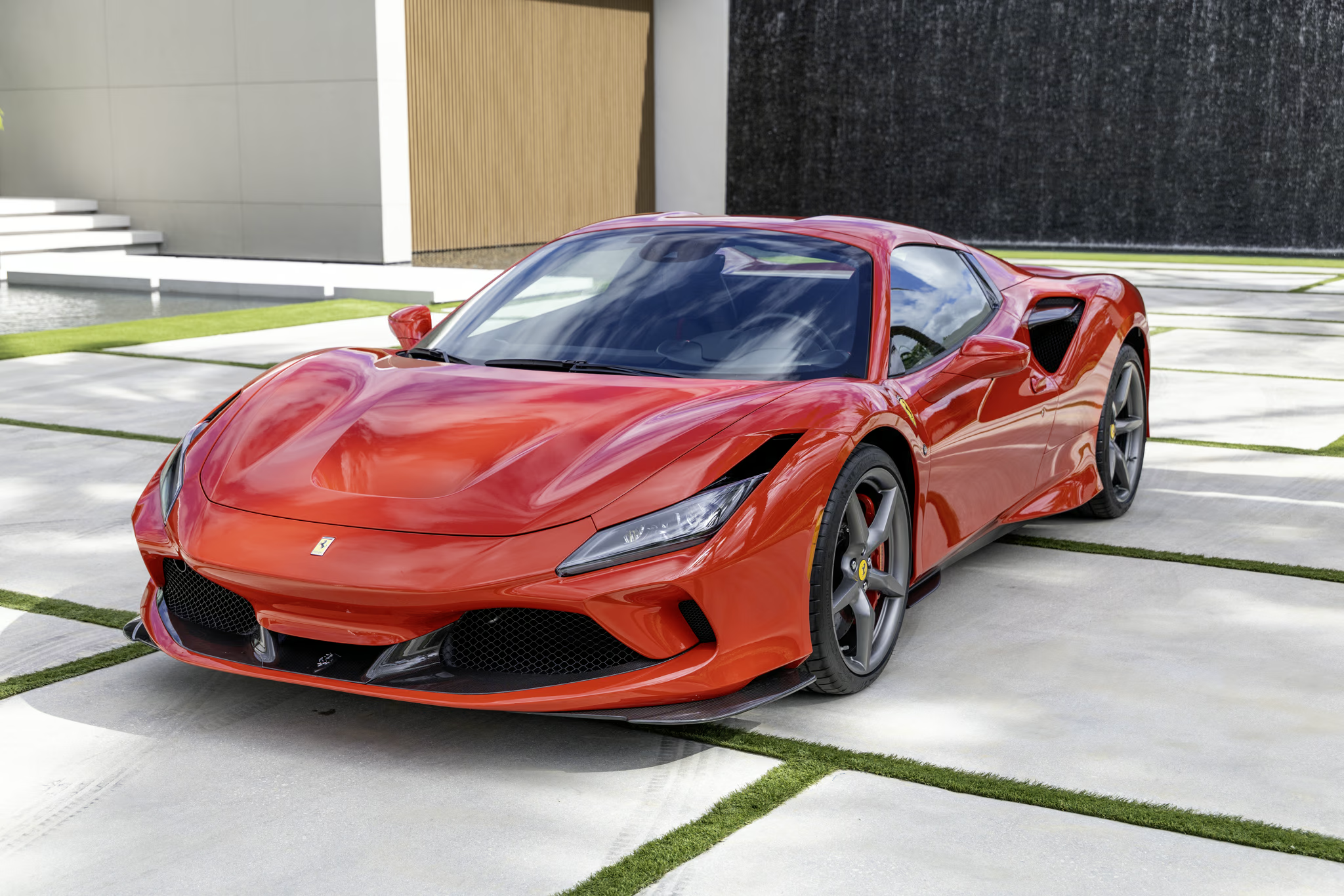
A palm frond can cut through a door. A bright wall can stretch along a shoulder line. An empty patch of sky can give a curved fender room to breathe. With an exotic car, those reflected shapes become part of the photograph before the shutter moves.
That is where a strong automotive image begins. Study what the body is reflecting, and the decisions about position, light and framing become much more deliberate.
Read the bodywork before choosing the background
An attractive location can still make a difficult photograph. Look beyond the scene behind the car and examine the scene appearing on it. Signs, parked vehicles, striped barriers and broken patches of shade can compete with the shape you came to photograph.
Walk around the vehicle at different heights. Watch a reflection travel across a panel as your position changes. Where does the curve become clear? Where does a bright patch swallow the edge? Where does the reflection break into visual noise?
A modest change in position may be enough. Nikon's composition guidance makes the same practical point: examine the background and reflections before making the frame, then reposition when something distracts.
For a South Florida session, a palm-lined setting may be part of the brief. Give those palms a deliberate place in the composition. If their reflections cross every surface, try a second position with a cleaner view of the bodywork.
Let the paint keep its character
White paint, dark paint, carbon fiber and glass ask for different attention.
With white bodywork, watch the transition between a bright surface and the contour beside it. If both disappear into a single pale area, the photograph loses some of the shape. With dark paint, inspect the reflected environment closely; a busy scene can become especially prominent. With exposed carbon, leave enough readable texture to communicate the material.
The WDM Porsche 911 GT3 RS project offers a useful visual study: white bodywork, exposed carbon and yellow brake calipers within one vehicle. The October 2025 Boca Raton assignment includes overall views and closer coverage of its wheels, brakes, vents, wing and cabin.

Each scale has a different job. A wide view establishes the relationship between those elements. A detail frame lets one material or shape carry the image. Give both room in the final sequence.
Make a small collection with a clear rhythm
Start with a photograph that explains the whole car. Follow it with a view that changes the reader's understanding: a clean profile, a lower angle that reveals the stance, or a rear view with a distinctive arrangement of surfaces.
Then slow the sequence down. Bring the eye to a wheel, an intake, a line of stitching or a control. A close photograph earns its place when it reveals something the wider frame could not.
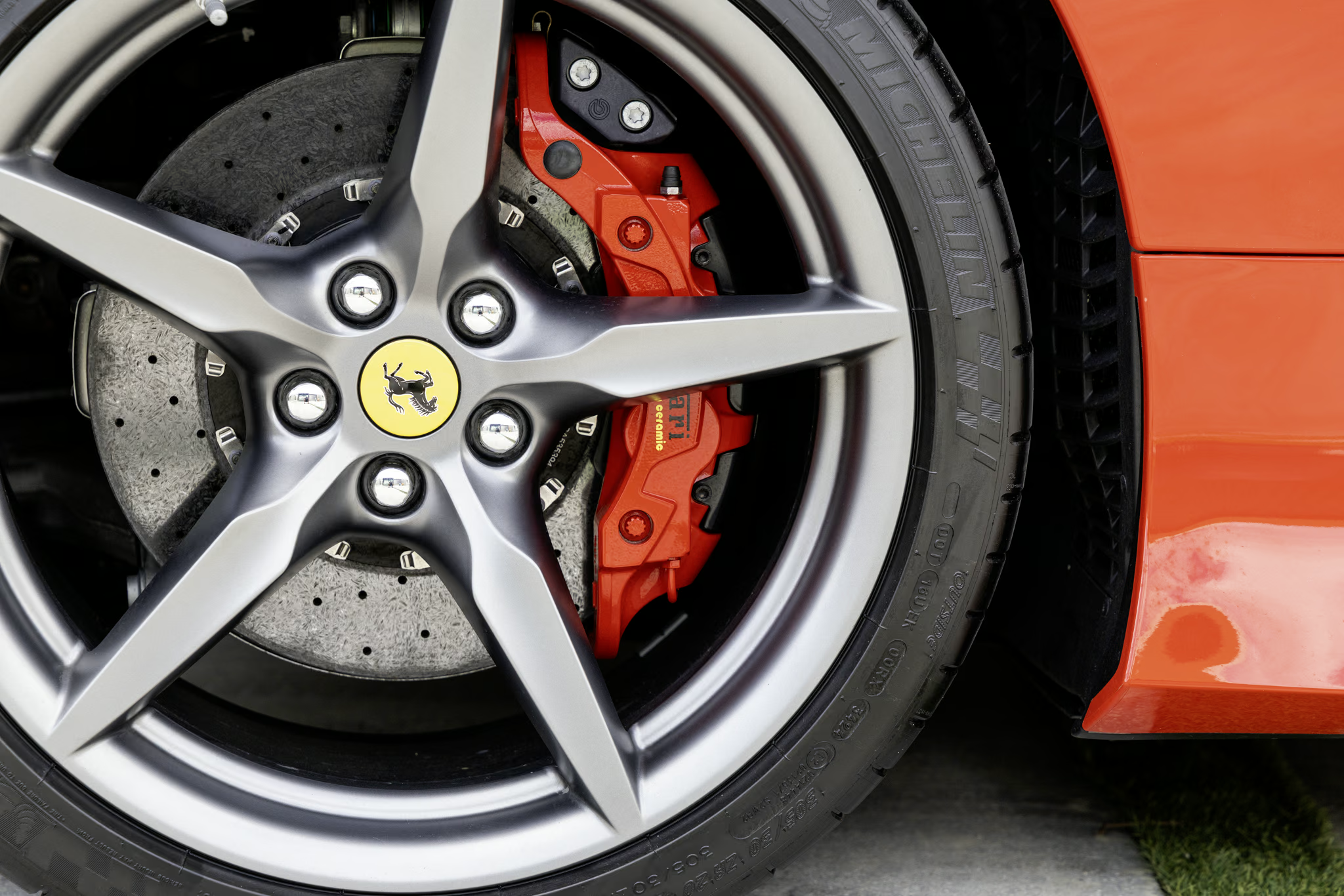
Return to the whole vehicle before the collection feels disconnected. The result can read like a short visual essay: arrival, structure, material, detail, departure.
For an owner's editorial feature, leave room for atmosphere. For a dealer or auction gallery, build the sequence around inspection. Agree on both uses at the start if the shoot needs to serve them together.
Give the cabin a considered point of view
A cabin photograph should help someone imagine the space. Begin with an orientation frame that makes the relationship between seats, steering wheel and dashboard clear. Then choose the smaller details that deserve their own attention.

Keep an eye on what the open door contributes to the composition. Consider whether a bright exterior distracts from the cabin, whether a reflection conceals a gauge, or whether the chosen position makes a surface hard to understand.
Resist the temptation to make every interior photograph extremely wide. A tighter frame can communicate a material, a control or a seam with more precision. Follow it with enough context that the viewer can place it inside the car.
Define the purpose of the finished image
A wall print, a campaign photograph and a sales listing have different responsibilities. Decide what the audience needs from the image before deciding how far to take its mood.
For an editorial treatment, the framing and color palette can establish a particular feeling. For a listing, preserve clear information about paint, trim and visible condition. Avoid processing that makes one panel appear a different color or allows damage to vanish into darkness.
If the files are intended for Bring a Trailer, its current photography instructions prohibit AI-created or AI-altered photographs. Discuss the intended destination when agreeing the editing brief.
Bring the purpose, the car and a little space
For an exotic-car session in Boca Raton, send the make and model, a few current reference photographs, the intended use, and the proposed location. Mention access restrictions, room to reposition, and any particular material or detail you want the collection to explore.
The WDM automotive portfolio shows the range from complete vehicle views to close studies. To plan your own session, share the vehicle and your brief.
The strongest starting point is often quiet: a clear edge, a controlled reflection, and enough space for the shape to speak.
Every painted panel carries a second picture: the world reflected across it.
Plan an automotive session