The commissioning guide
Choose
the story.
Then the
format.
A practical way to choose photographs, film or both: start with what your guests still need to see.
A guest can admire a beautiful restaurant film and still struggle to find a clear photograph of the dish they want to order. Someone else might study the menu and have no sense of the room, the pace of dinner or the people preparing it.
Those are different gaps. They deserve different images.
For a Boca Raton restaurant deciding between photography and video, the useful starting point is the material already in circulation. Open the website, the current menu, the social feed and any ordering pages. Look at them together. Decide what a prospective guest still cannot see.
Give photography a clear assignment
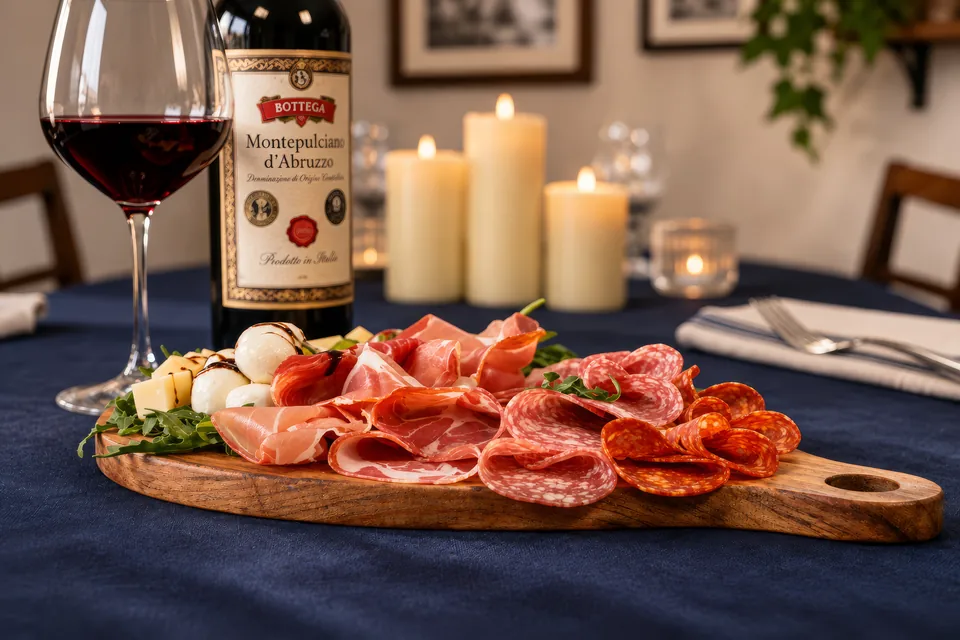
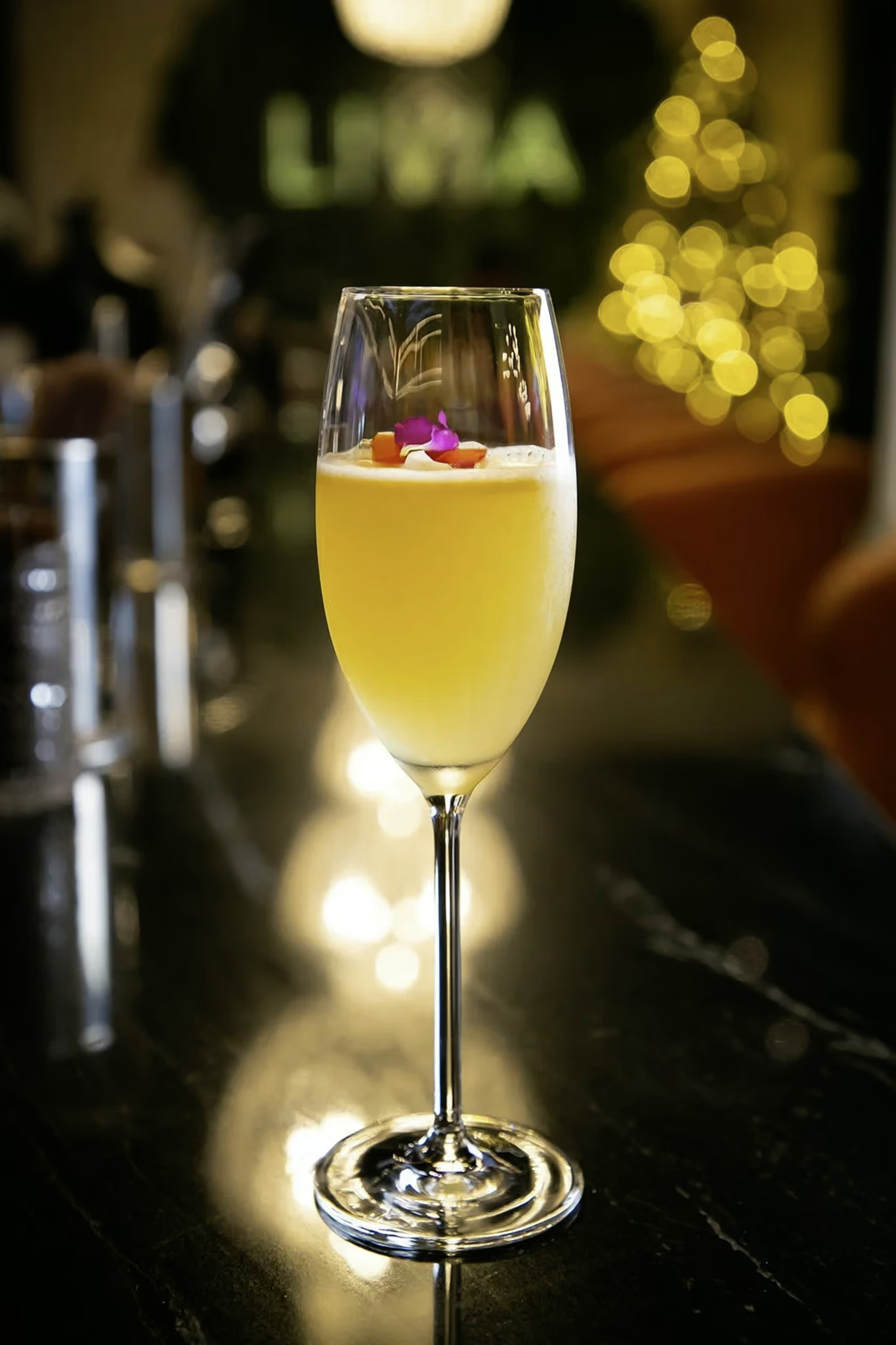
Still photographs let someone pause, compare and inspect. For a menu refresh, that can mean a clear view of the plate: its ingredients, portion, texture and presentation. For a private dining page, it may mean a room arranged for the occasion. For a seasonal promotion, it could be one drink photographed with enough space for a short headline.
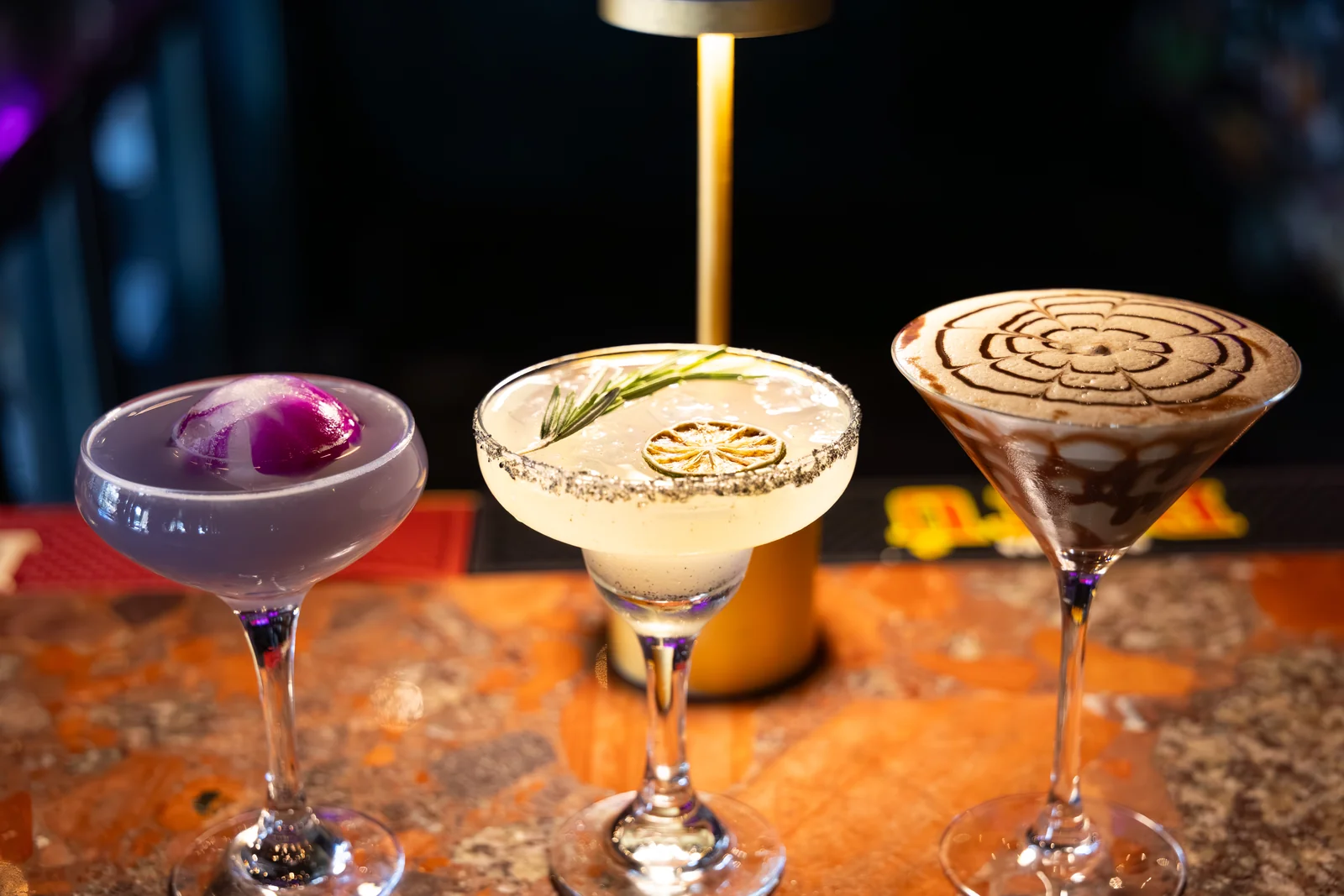
Build the shot list around those destinations. A close photograph that works beautifully in an Instagram carousel may crop badly in a wide website banner. A generous table scene may become unreadable in a small ordering thumbnail. Photographing several useful compositions while a dish is ready gives the eventual design more room to work.
Accuracy matters throughout. The food should remain recognizable as the food a guest will receive. Strong lighting and considered styling can make its qualities easier to see. Keep portions, ingredients, and plating faithful to what the kitchen serves.
Give motion something to reveal
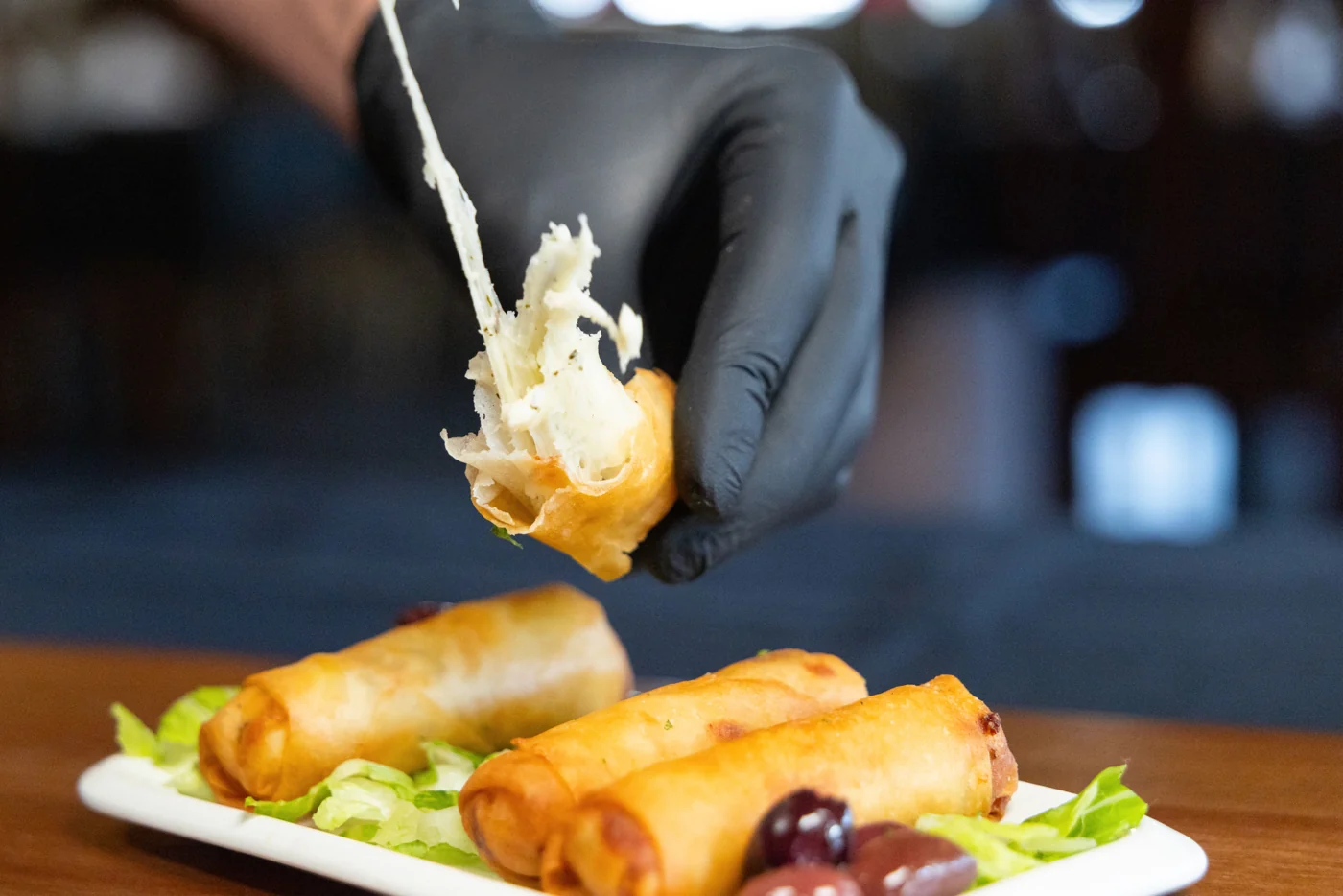
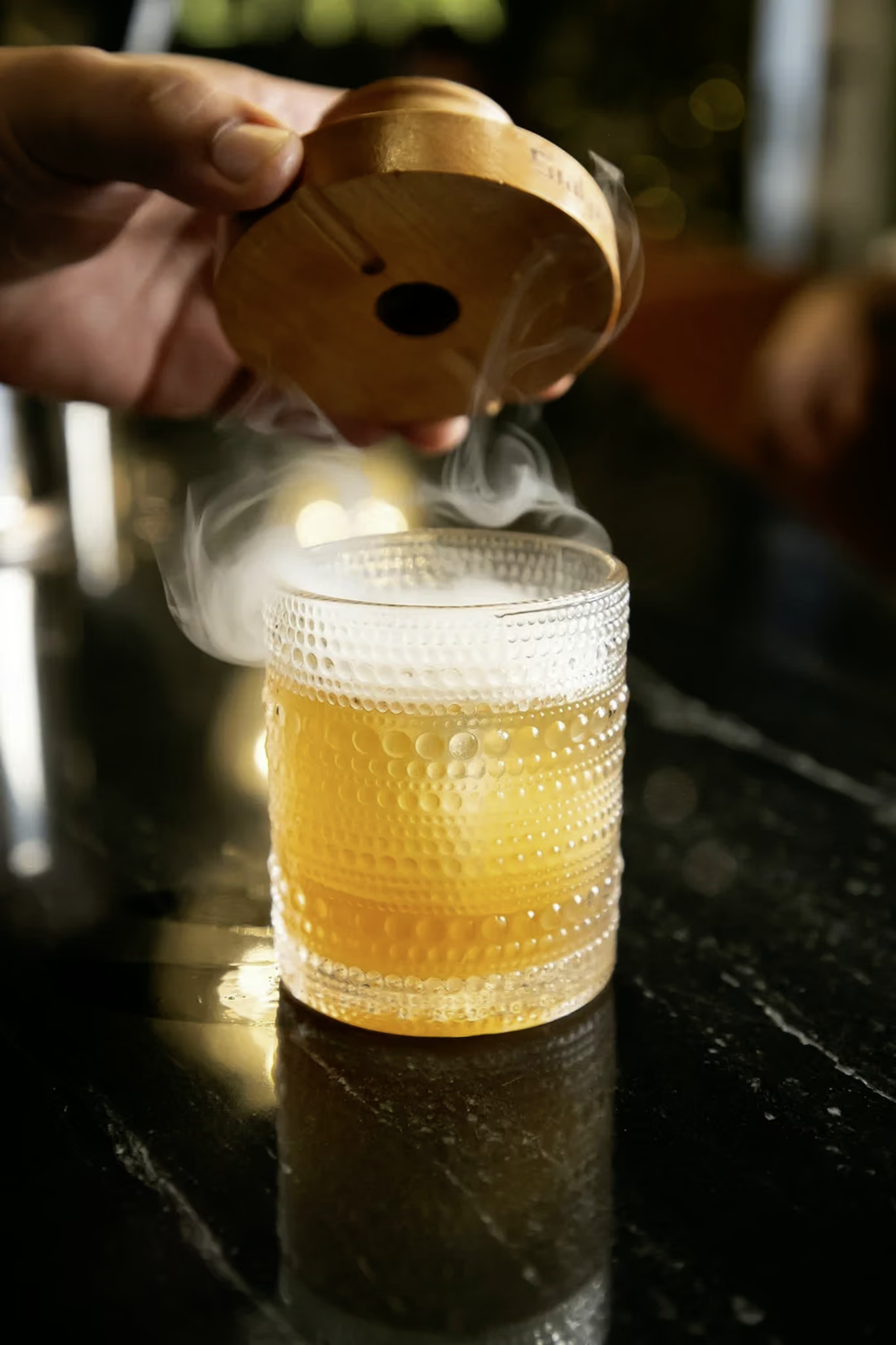
Video earns its place when movement, sequence or sound contributes to the story. A chef finishing a plate, a bartender pouring a drink and a server bringing dinner through the room each communicate something a still frame can only suggest.
Choose a specific idea before collecting clips. A film about the kitchen's craft calls for different coverage from a short invitation to Friday dinner. One might follow a dish from preparation to the pass. The other might move from the entrance to the bar, through service and onto the table.
Plan the opening, middle and ending. Decide which sounds belong in the edit, whether anyone needs to speak, and how the piece should read when played silently. If text is necessary, leave space for it in the composition. Music selection, usage rights, captions and the intended screen format belong in the brief before filming begins.
Put the budget against the gap
Start with photography when the menu library is incomplete. Prioritize the dishes people are currently being asked to order, along with the spaces needed for the website. Agree which images have to be finished first. An expansive film concept can wait until the essential information is visible.
Prioritize video when the existing photographs are strong and the experience is missing. Build around one coherent story. A useful new film should add information or atmosphere to the material already available, with an agreed destination and purpose.
Plan a combined shoot when both needs are real. Share the dishes, room preparation and access where possible, while reserving time for each format. A composed still, a pouring sequence and a clean sound recording can require different setups. Asking for all three without adjusting the schedule puts pressure on the kitchen and the finished work.
Two Boca Raton examples
The WDM restaurant portfolio includes Milane's March 2026 menu photography in downtown Boca Raton and Sumo's August 2025 photography and film assignment in West Boca. Milane's photographs present dishes selected by the owner. Sumo's collection includes food and dining-room photographs alongside a 65-second film.
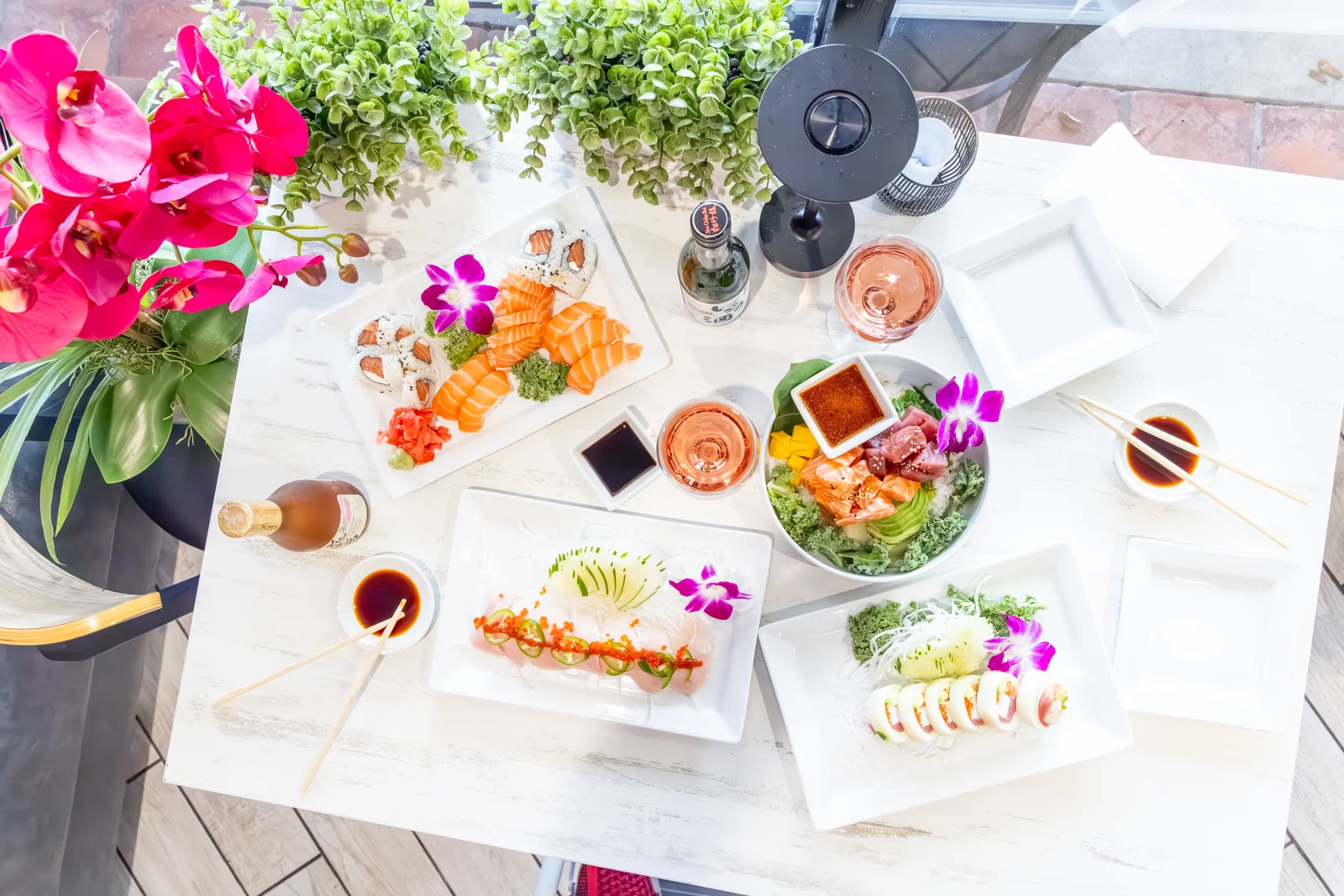
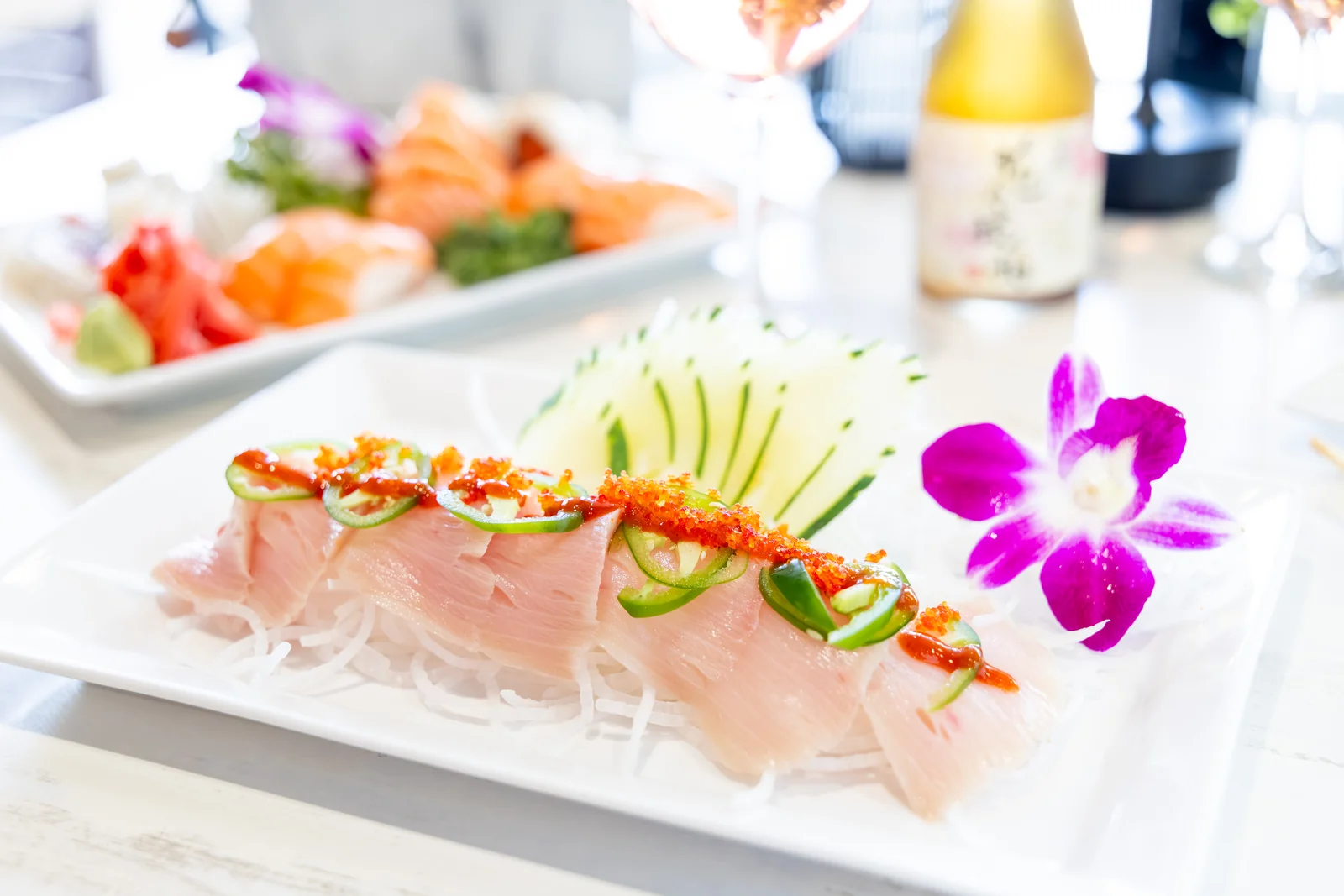
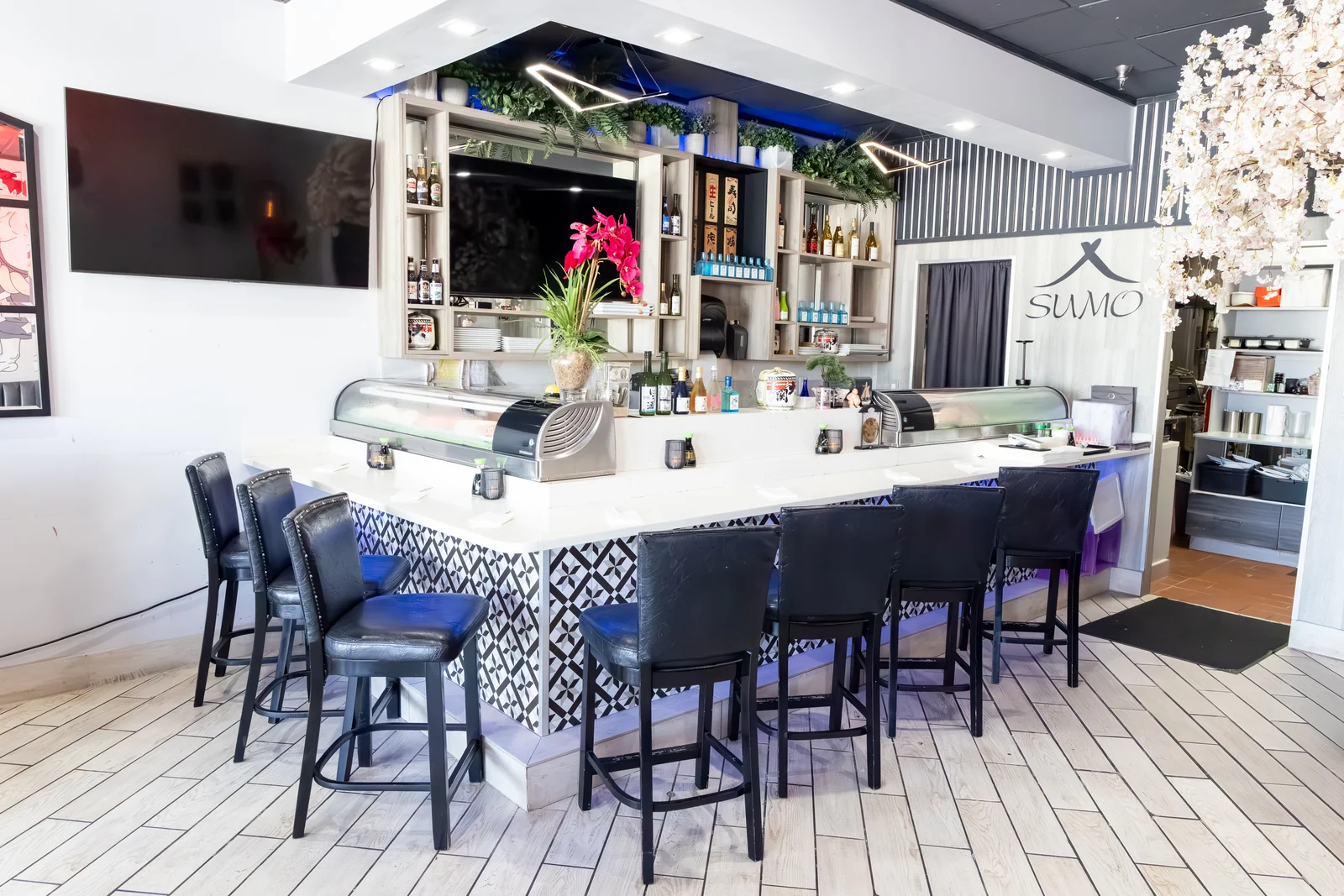
Compare the jobs those collections perform. Milane gives you individual dishes to study; Sumo adds movement and a view of the room. Use that distinction to decide what is missing from your own restaurant’s presentation.
Write a brief someone can shoot
A useful starting brief might read:
We are introducing a new dinner menu. We need clear photographs of the selected dishes for our website and ordering pages, plus a short film showing the preparation and arrival of one signature plate. The room must appear as guests will experience it at dinner. We will agree the final image count, edit lengths, formats and delivery date before booking.
Then name the person who can approve plating, the kitchen contact, the person responsible for the room and the person who will receive the finished files. Flag dishes that need to be photographed immediately. Confirm how staff or guests appearing on camera will be coordinated. Agree whether the restaurant will be open during coverage.
Make a publishing plan before delivery
Assign every deliverable a home. Name the website page, menu section, campaign or social placement it will serve. Keep a record of what changed and when. If inquiry or booking tracking is available, use it to evaluate the work alongside the offer, timing and other marketing activity.
The decision becomes much easier when every photograph and every sequence has a reason to exist.
Share your restaurant, current content and next priority with WDM, and we can shape a photography, video or combined brief around the work you actually need.
Decide what a prospective guest still cannot see.
Plan your restaurant content