
The portrait study
The people
behind
the name.
A considered plan for wardrobe, space, scheduling and expression, so a team looks connected and every person still feels like themselves.
Put a dozen headshots on the same company page and every difference in light, crop and background becomes obvious. A tight portrait beside a distant one. A cool studio backdrop beside a warm office wall. Someone's shoulders cut at a different height from everyone else's.
A coordinated headshot session gives the page a visual rhythm while leaving room for the people in it. The planning is surprisingly practical: know where the images will appear, give the photographer a clear visual brief and make the day comfortable enough for real expressions to emerge.
For a Boca Raton business arranging corporate headshots, these decisions belong on the calendar before the first appointment.

Design for the place the portrait will live
Bring examples of the actual company directory, biography page, proposal template or profile that will use the photographs. A wide biography panel and a small circular avatar ask different things of an image. Check the design with the person who manages the website rather than guessing at the final crop.
Decide how much of each person should appear, how close faces should feel and where the eyes sit within the frame. Leave enough room for the agreed alternate crops. If the brand uses a colored background, provide the approved reference and discuss how it should translate into a photograph.
The same brief can guide an individual portrait and a larger team session. It also makes later additions easier to plan.
Set a wardrobe direction people can interpret
Offer a few clear examples of the desired level of formality. A law firm, a creative studio and a hospitality group may introduce their people very differently. Ask everyone to bring clothing that fits well and feels appropriate to the work they do.

Check collars, lapels and sleeves before the session. Steam or press garments in advance. Strong patterns, reflective details and prominent logos deserve a quick conversation because they may draw attention away from the face. An alternate layer gives the photographer options if a fabric or color behaves unexpectedly under the lights.
People who normally wear glasses should bring them clean. Tell the photographer about reflections early so the lighting and angle can be adjusted. Personal style, religious dress and accessibility needs should be part of a respectful planning conversation; a coherent team page can accommodate them.
Give the session a room that works
Reserve a space with room for the subject, camera and lighting, plus a clear route in and out. Send photographs of the room before the day if access is uncertain. Note windows, reflective walls, low ceilings and furniture that cannot move.
An office can make a useful setting when it supports the intended portrait. A portable backdrop can provide a more controlled look. An outdoor location needs a workable plan for weather, light and interruptions. WDM offers these options within its on-location headshot work in Boca Raton and the surrounding service area; the setup should fit the people and the brief.
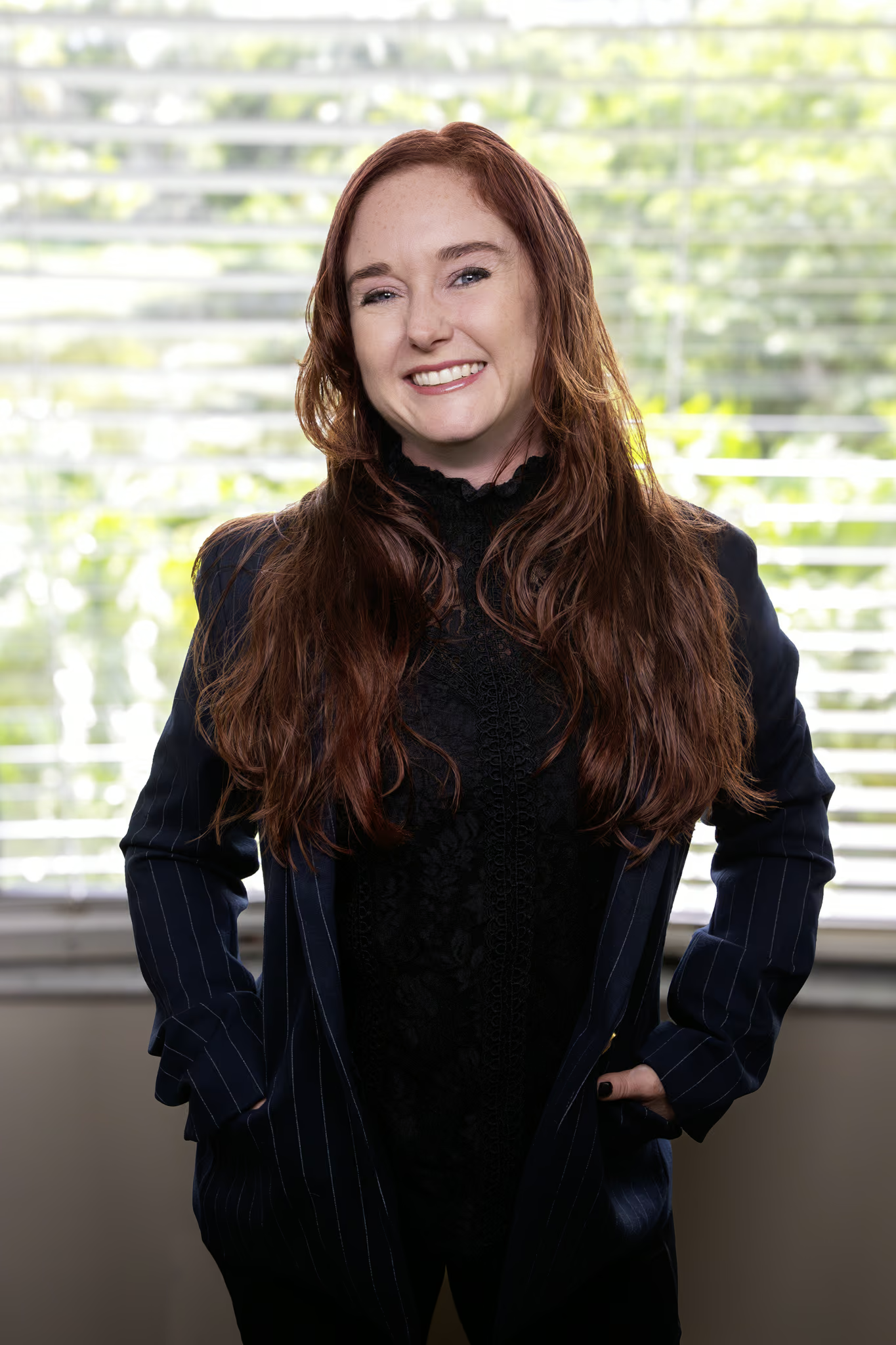
Keep a nearby place for coats, bags and a last clothing check. A private corner for preparation is more welcoming than asking someone to adjust their outfit in a busy corridor.
Build a schedule with breathing room
Confirm the team size and desired coverage before setting individual appointment slots. Leave setup time for lighting and test frames, then stagger arrivals so people can return to work after their session. Let the photographer advise on the schedule for the actual scope rather than imposing an arbitrary number of people per hour.
Give one coordinator responsibility for the roster and arrivals. Share the room location, clothing guidance and any preparation notes in advance. Arrange a plan for late arrivals, colleagues working remotely and anyone whose access needs require additional time.
A calm schedule is part of the portrait. People deserve enough attention to settle into the frame.
Let expressions belong to the person
Consistency comes from decisions such as lighting, background and framing. Expressions can have more freedom. A relaxed smile, a quieter expression or a small change in posture may suit different people within the same visual system.
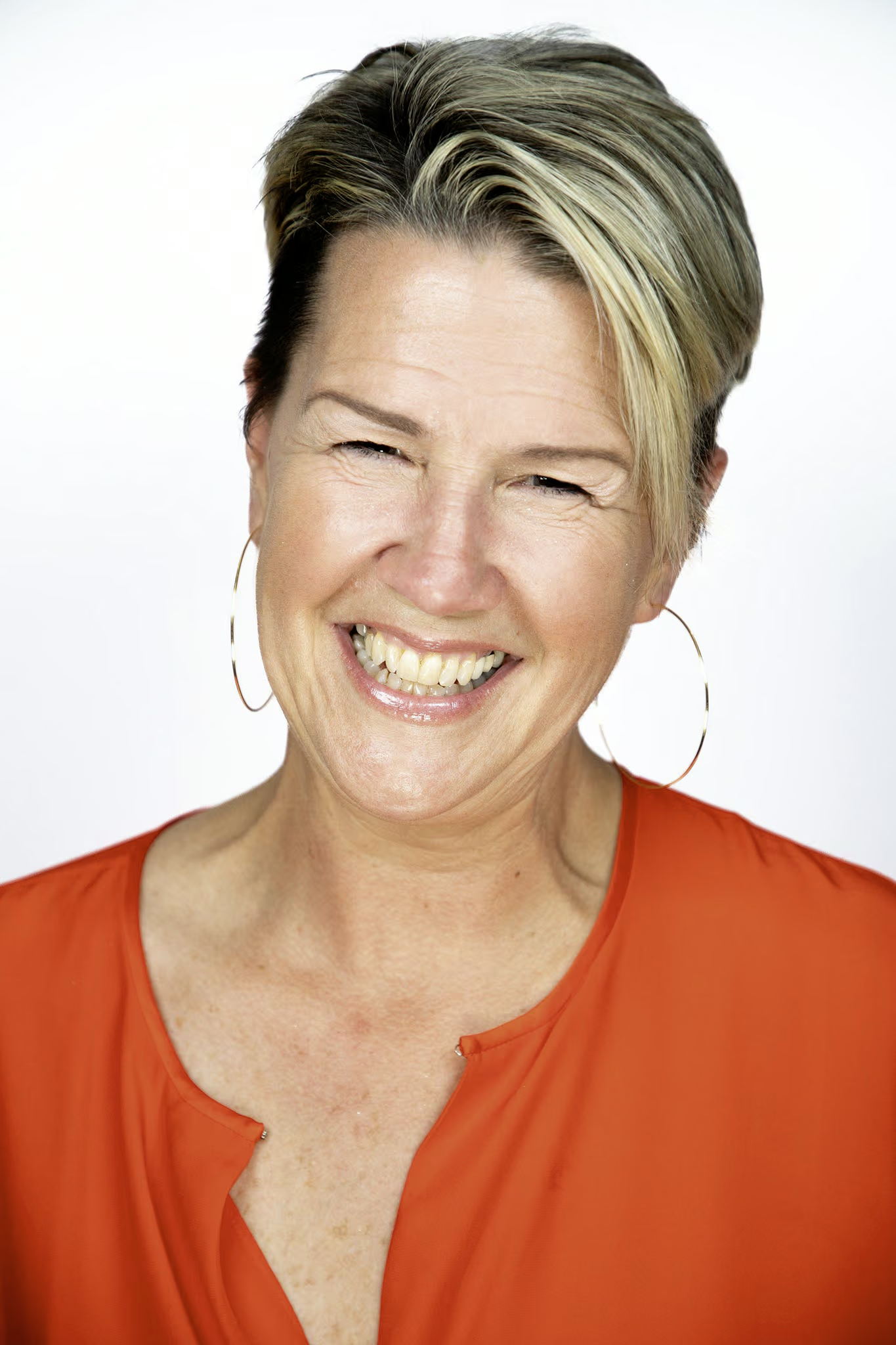
Tell the photographer how the company wants to be perceived and allow room for direction during each session. Avoid making colleagues perform one identical expression for the sake of a matching grid. The finished portraits should feel comfortable beside one another and recognizable on their own.
Agree on selection and retouching
Decide who chooses the final images and how each person can give feedback. Set expectations for retouching before production. Temporary blemishes, stray hairs and small clothing distractions can be discussed while preserving natural texture and the features that make someone recognizable.
Confirm the intended uses, file naming, crops and delivery formats in the proposal. Share the real deadline early. If portraits will appear in advertising as well as the staff directory, make that use clear to everyone involved before the session.
Keep a reference for the next hire
Save the approved background, example crop, lighting reference and export requirements alongside a selected finished portrait. Keep the retouching direction and naming convention there too. That small reference set helps a future session fit the existing page, even when the team grows over time.
Send WDM your office location, team size, intended uses and deadline. We can build the session around a shared visual standard and give each person the attention their portrait deserves.
A calm schedule is part of the portrait.
Plan your team headshots